ECOFA works to strengthen the resilience of communities to the growing impacts of climate change through locally led approaches to climate adaptation, disaster risk reduction, environmental protection, sustainable natural resource management, education, and livelihood development.
Our programs focus on strengthening community capacity to anticipate and manage climate-related risks, protect natural resources, sustain livelihoods, and develop practical solutions based on local knowledge, needs, and priorities.
ECOFA promotes community-led approaches to the sustainable management, conservation, and protection of natural resources.
Key activities include:
ECOFA supports farmers in adapting agricultural production to changing climatic conditions while strengthening food security and sustainable livelihoods.
Key activities include:
ECOFA works with communities to reduce their exposure and vulnerability to climate-related disasters, including floods, droughts, and extreme weather events.
Key activities include:
Building local knowledge and capacity is central to ECOFA's approach to climate resilience.
ECOFA supports:
ECOFA also promotes the meaningful participation of women and youth in environmental conservation, disaster preparedness, and community resilience initiatives, including strengthening women-led community structures.
ECOFA promotes accessible and environmentally sustainable energy solutions that contribute to climate resilience and reduce pressure on natural resources.
Key activities include:
ECOFA supports the restoration, protection, and sustainable management of ecosystems that provide important environmental and livelihood benefits.
Key activities include:
ECOFA promotes inclusive and evidence-based policies that strengthen community resilience and address the needs of climate-vulnerable populations.
The organization engages with relevant stakeholders to advocate for:
ECOFA also explores opportunities to support community-based environmental initiatives and locally appropriate mechanisms that contribute to climate action and sustainable development.
ECOFA recognizes the importance of reliable information and appropriate technology in strengthening community resilience.
Key areas include:
Where appropriate, mobile and digital platforms can help connect communities with timely information, early warnings, and practical resources.
ECOFA supports communities in developing diverse and climate-resilient livelihood opportunities that reduce dependence on climate-sensitive sources of income.
Providing training and capacity building for alternative and climate-resilient livelihood opportunities, including renewable energy services and other locally appropriate income-generating activities.
Supporting community-based savings, financial literacy, and appropriate financing mechanisms that enable households and communities to invest in resilient livelihoods and income-generating activities.
ECOFA supports internally displaced people through access to education, vocational skills, and capacity-building opportunities.
Through supportive learning and skills-development environments, ECOFA aims to help displaced individuals:
ECOFA promotes equitable access to education for children with disabilities, street-connected children, and other vulnerable children.
Through inclusive education and community-based support, ECOFA works to:
ECOFA works to expand access to education in remote and underserved communities where geographical, social, and economic barriers can prevent children from attending school.
Particular attention is given to out-of-school children and girls who face additional barriers to education.
Key activities include:
Through these efforts, ECOFA seeks to create opportunities for children and young people to access safe, inclusive, and quality learning.
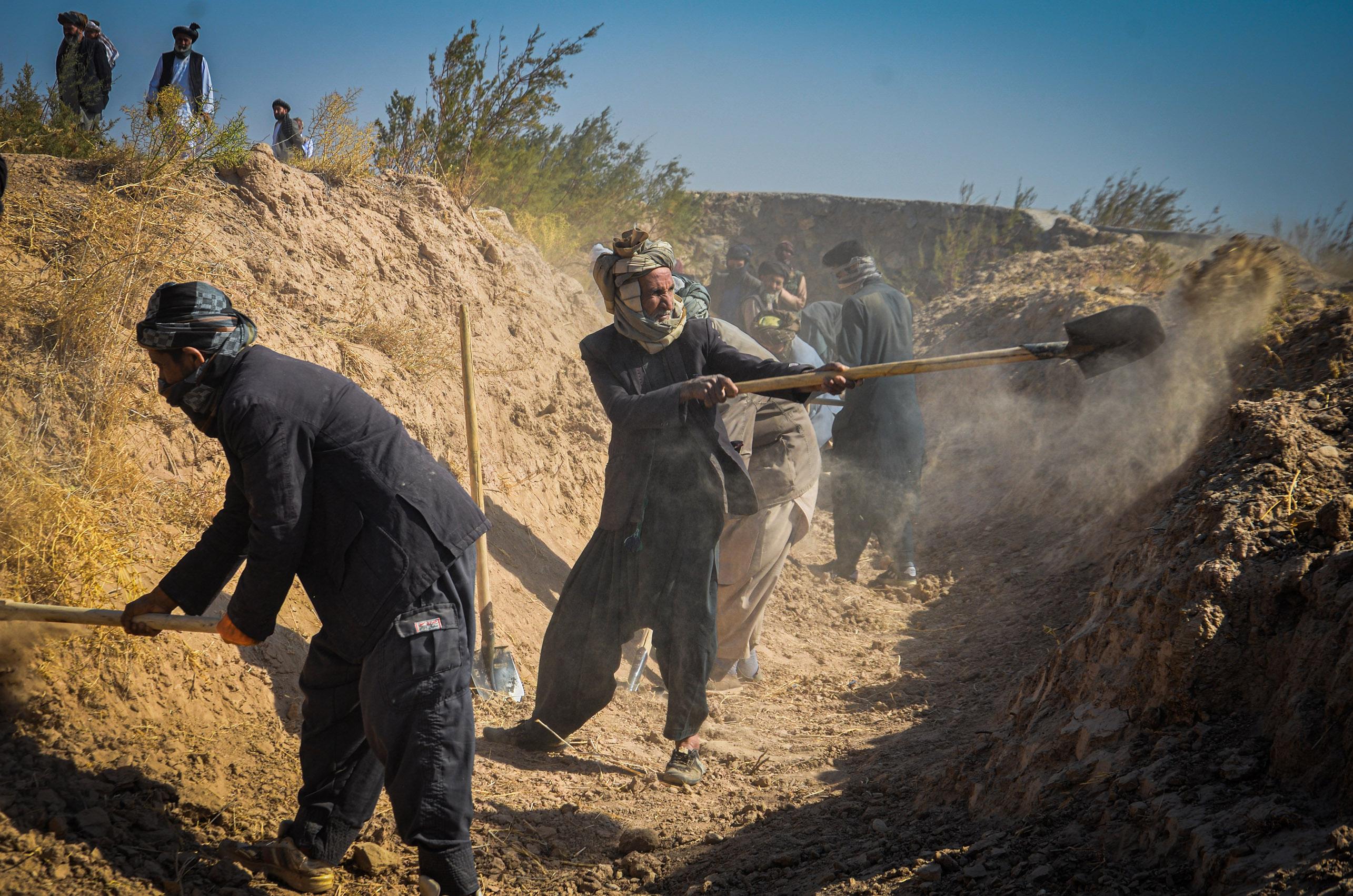
ECOFA promotes rainwater and floodwater harvesting as practical approaches to improving water availability, reducing water loss, and strengthening community resilience to drought and water scarcity.
Key activities include:
These systems can help communities conserve water for agriculture, livestock, and other productive uses, while supporting groundwater recharge and reducing the impacts of uncontrolled runoff and flooding.
ECOFA believes sustainable resilience is strongest when solutions are locally led, inclusive, environmentally responsible, and grounded in community knowledge and priorities.
By integrating climate adaptation, disaster risk reduction, sustainable water and natural resource management, education, livelihood development, technology, and community empowerment, ECOFA seeks to strengthen the capacity of Afghan communities to prepare for and respond to climate-related challenges.
Our approach aims to contribute to safer communities, protected natural resources, resilient livelihoods, inclusive opportunities, and a more sustainable future for Afghanistan.